When a Wild Elephant Blocked the Road in Africa
The road ahead was empty.
Then it was not.
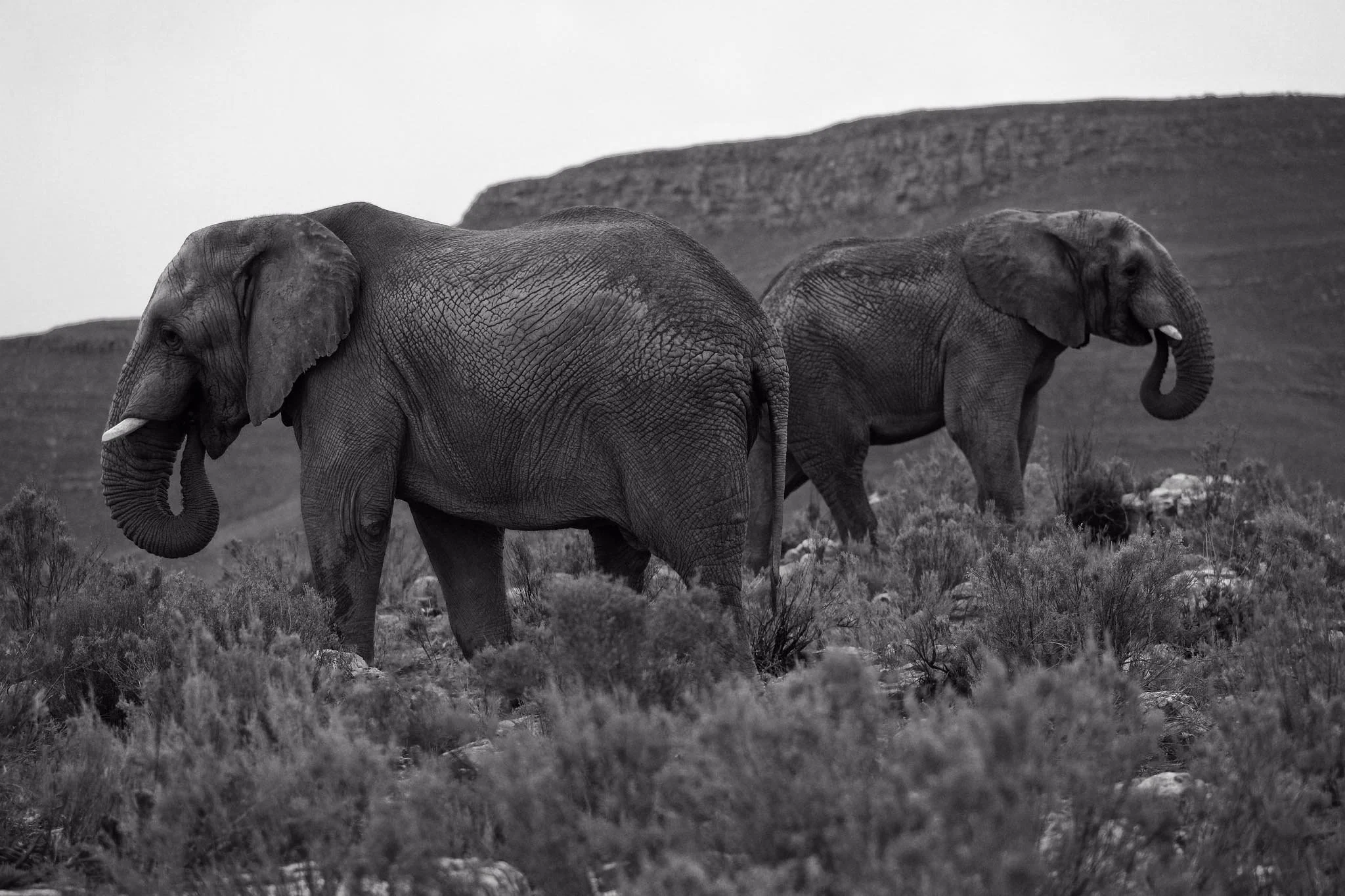
In the middle of a Wild Africa expedition, our vehicle slowed to a halt. A massive bull elephant, completely unbothered by our presence, had decided the road was his.
Wildlife photography often demands patience, but at that moment, it was about something else.
Respect.
I switched off the engine.
Cameras stayed ready, but no one moved. No one spoke.
The elephant grazed, took a few slow steps, flapped his ears, and then stopped. He looked straight at us.
Every minute stretched.
Then, without warning, he walked past the vehicle, so close I could hear his breath. My 400mm lens suddenly felt unnecessary. A 35mm would have been enough.
But this was not about the lens anymore.
My wildlife guide, Lucy Mars Putter, is not only a certified guide but also a veterinary nurse. She has been with me on multiple expeditions across African savannas and dense bushlands.
As the elephant approached, she quietly asked me to stay still, stay calm, and keep the engine off.
I listened.
It had been raining, and at that distance, photography was almost impossible.
And that is something not often spoken about.
Sometimes, the moment is not meant to be photographed.
Sometimes, it is meant to be experienced.
Later that day, patience gave us another opportunity.
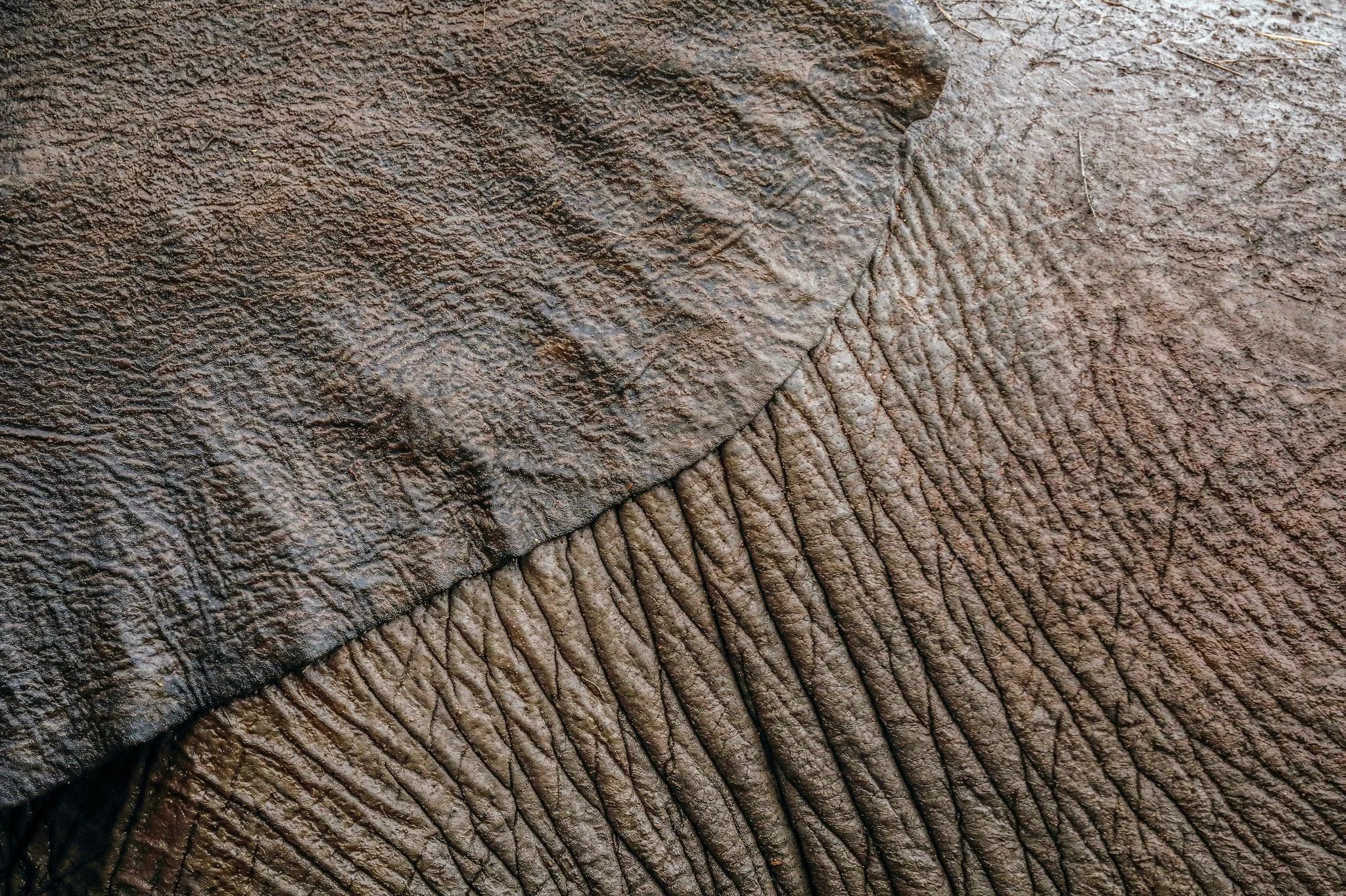
We came across an elephant in the middle of a mud bath. This time, there was space. There was time. I focused on details; textures of skin, layers of mud, the quiet rhythm of movement.
Each frame carried something from earlier that morning.
Something slower.
Lucy was exceptional, and I was fortunate.
Moments like these remind me that the most important frames are not always the ones you take.
They are the ones that stay with you.
For anyone interested in wildlife photography in Africa, working with experienced local guides makes all the difference.
Not just for safety, but for understanding behavior, reading situations, and knowing when to step back.
The wild does not adjust to you.
You adjust to it.
WHEN NOT SHOOTING BECOMES THE PHOTOGRAPH
Encounters like this redefine how you approach photography.
In wildlife work, especially in environments like Africa, the decision to not take a shot can be as important as capturing one.
Distance is not measured in meters or focal length.
It is measured in judgment.
From wildlife photography expeditions to conservation and documentary work, the process is built on patience, awareness, and respect for the subject.
The image is only a small part of that equation.
WORKING IN THE WILD
Whether in Africa or remote regions elsewhere, wildlife photography is never controlled.
Conditions change. Subjects move. Situations evolve without warning.
What remains constant is the need to observe before reacting.
To understand before approaching.
And to know when presence matters more than the photograph itself.
PHOTOGRAPHY ACROSS ENVIRONMENTS
From wildlife expeditions in Africa to high altitude photography in the Himalayas, the environments may change, but the approach stays consistent.
Work with what exists.
Respect the space.
And allow the story to unfold on its own terms.
START YOUR PROJECT
If you are working on wildlife photography, conservation storytelling, or long term visual projects focused on nature and biodiversity, the process always begins with understanding the environment and the story within it.
From remote expeditions to documentary and photographic work across different terrains, each project is approached with patience, awareness, and intent.
Get in touch to begin your project. Send an email to mail@GautamDhimal.com