Macro Worlds: Photographing Nature’s Jewels
The closer you look, the more you see.
Macro photography has always pulled me in.
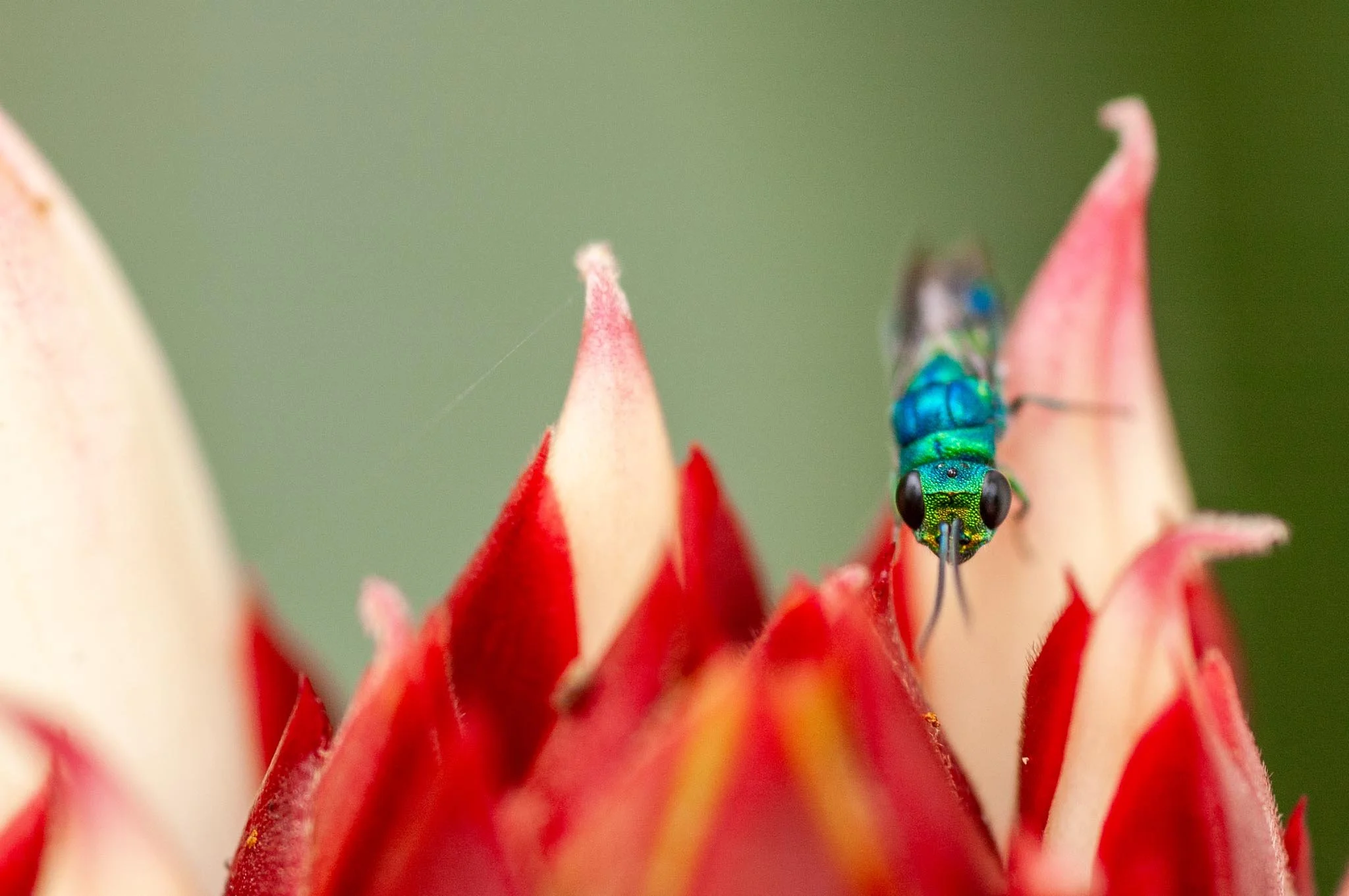
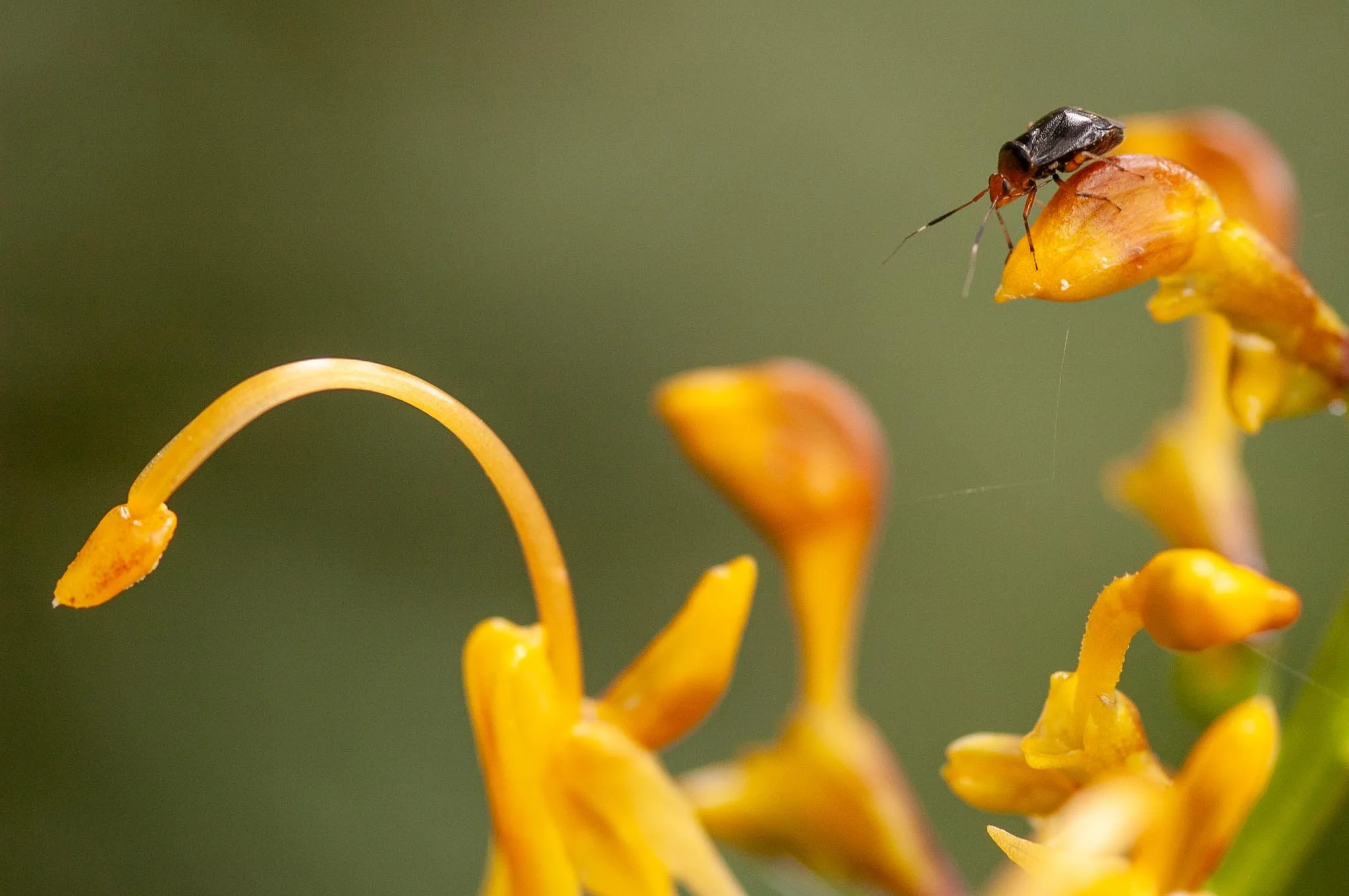
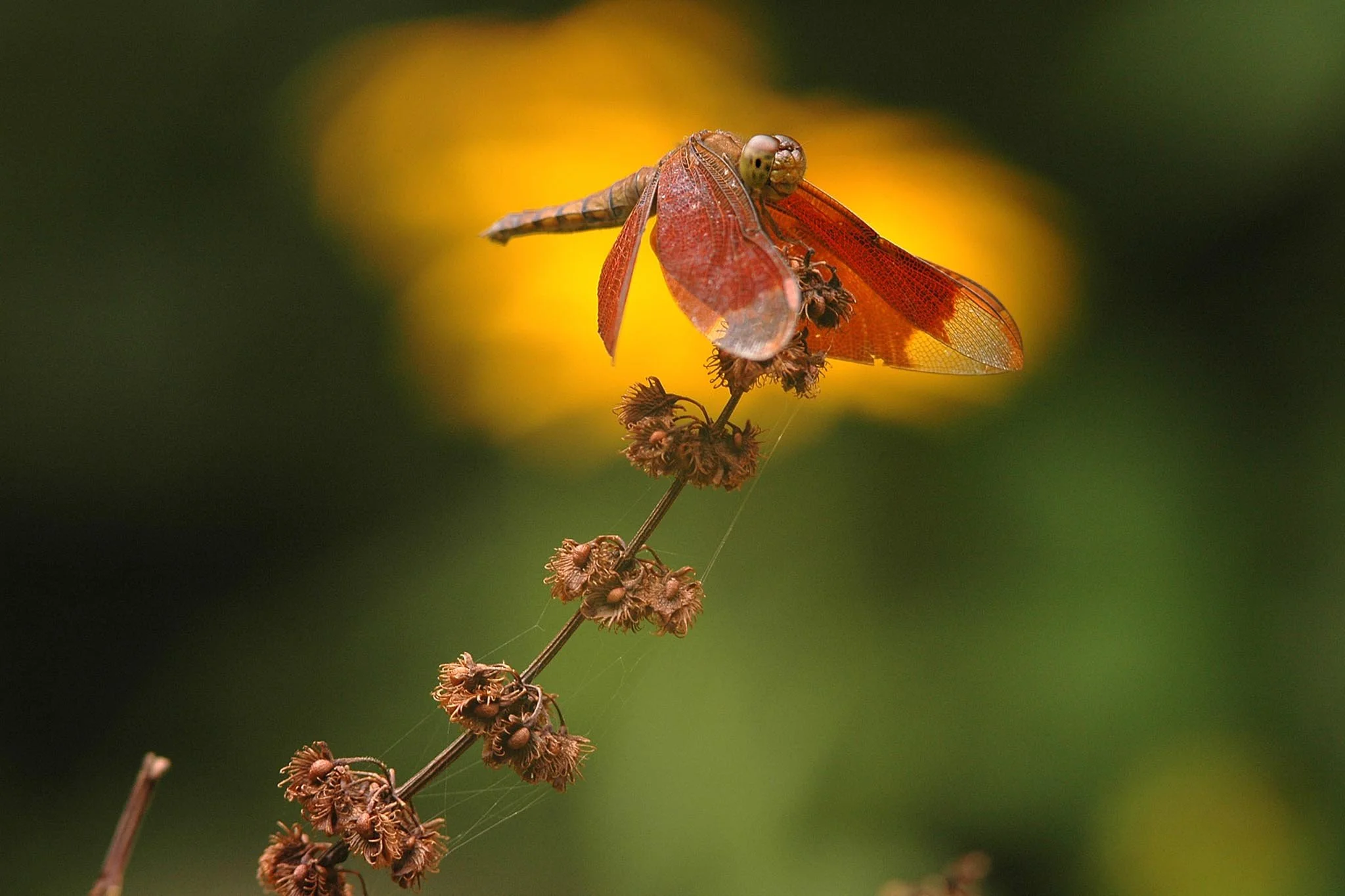
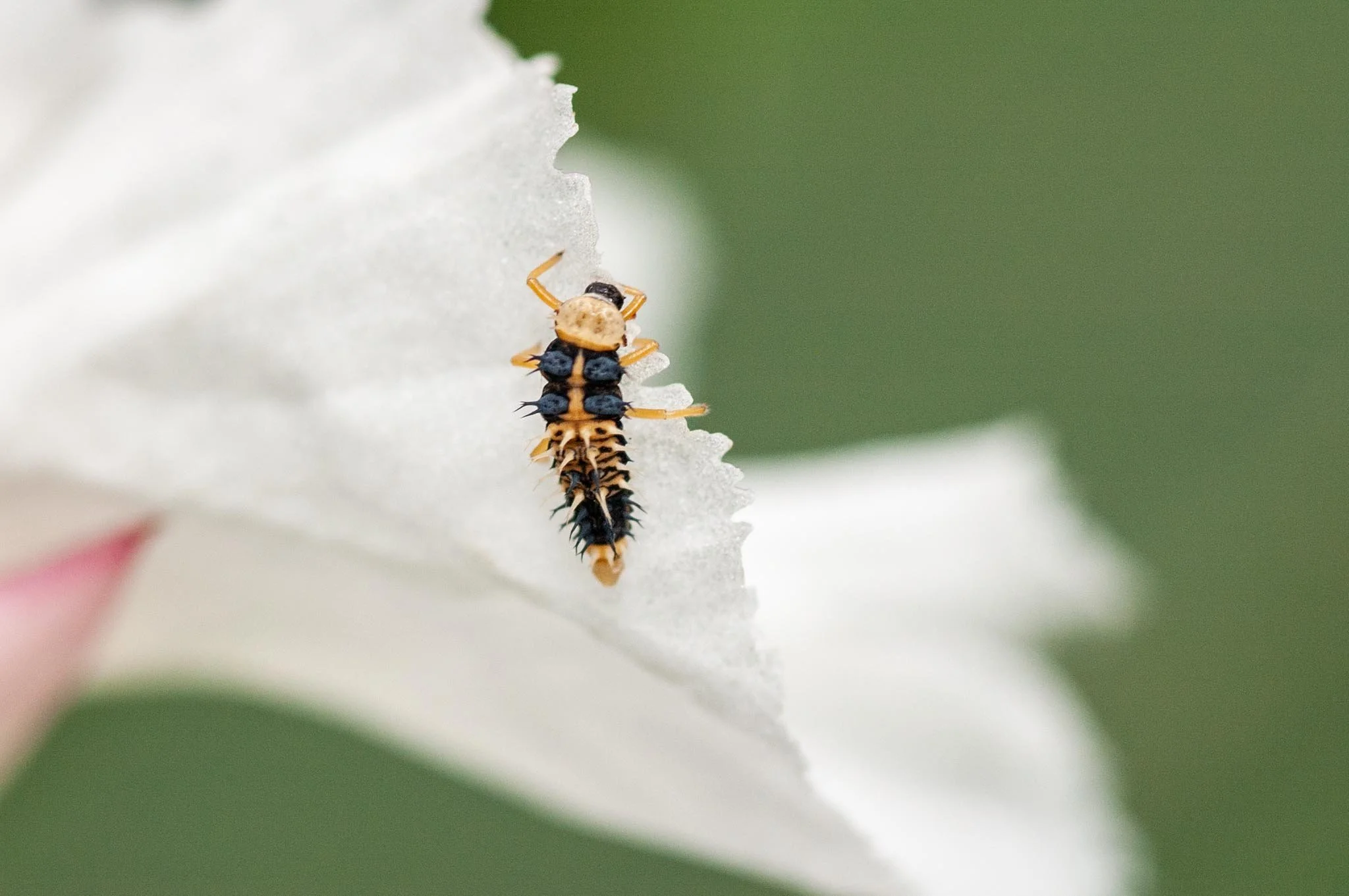
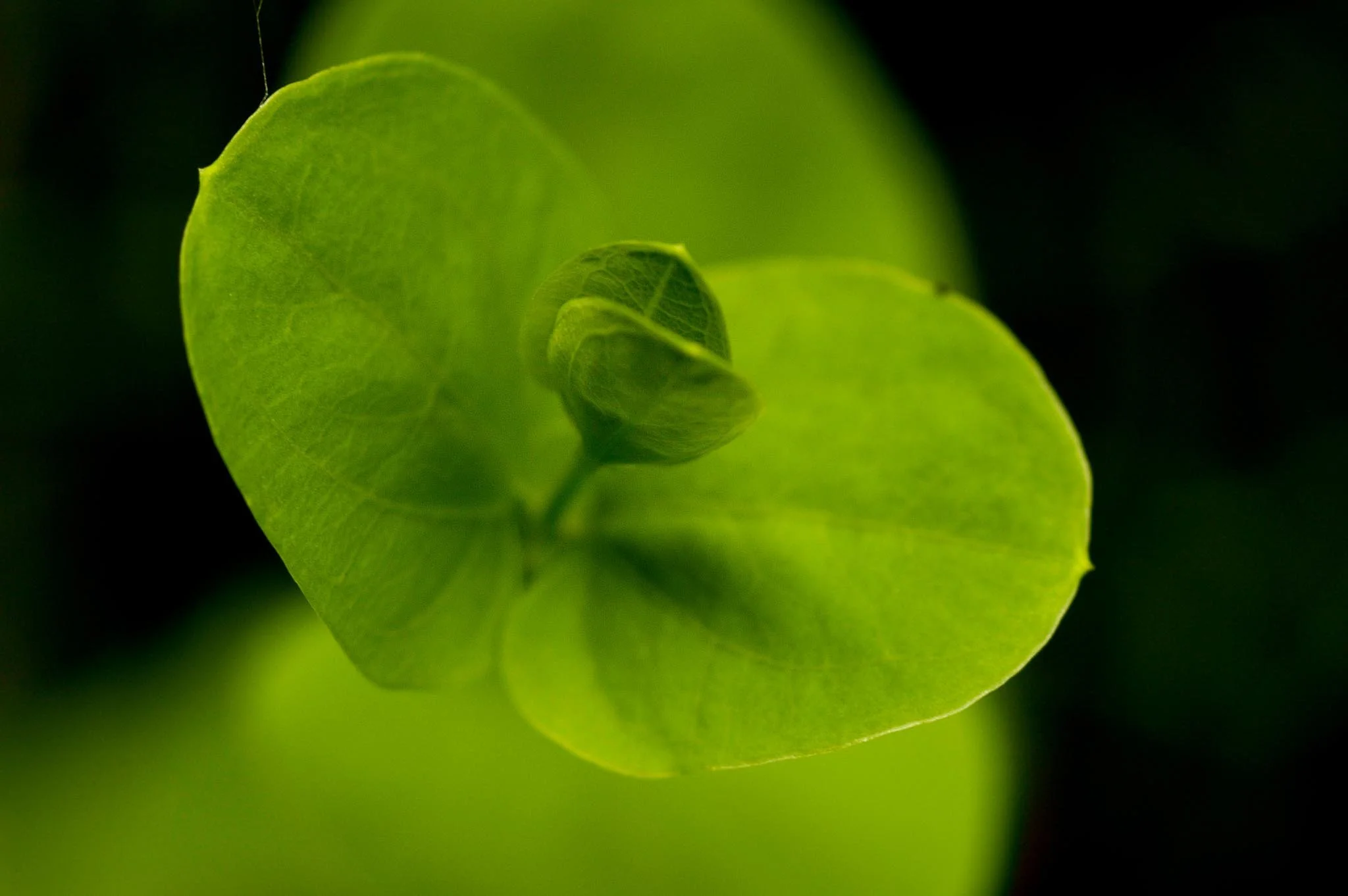
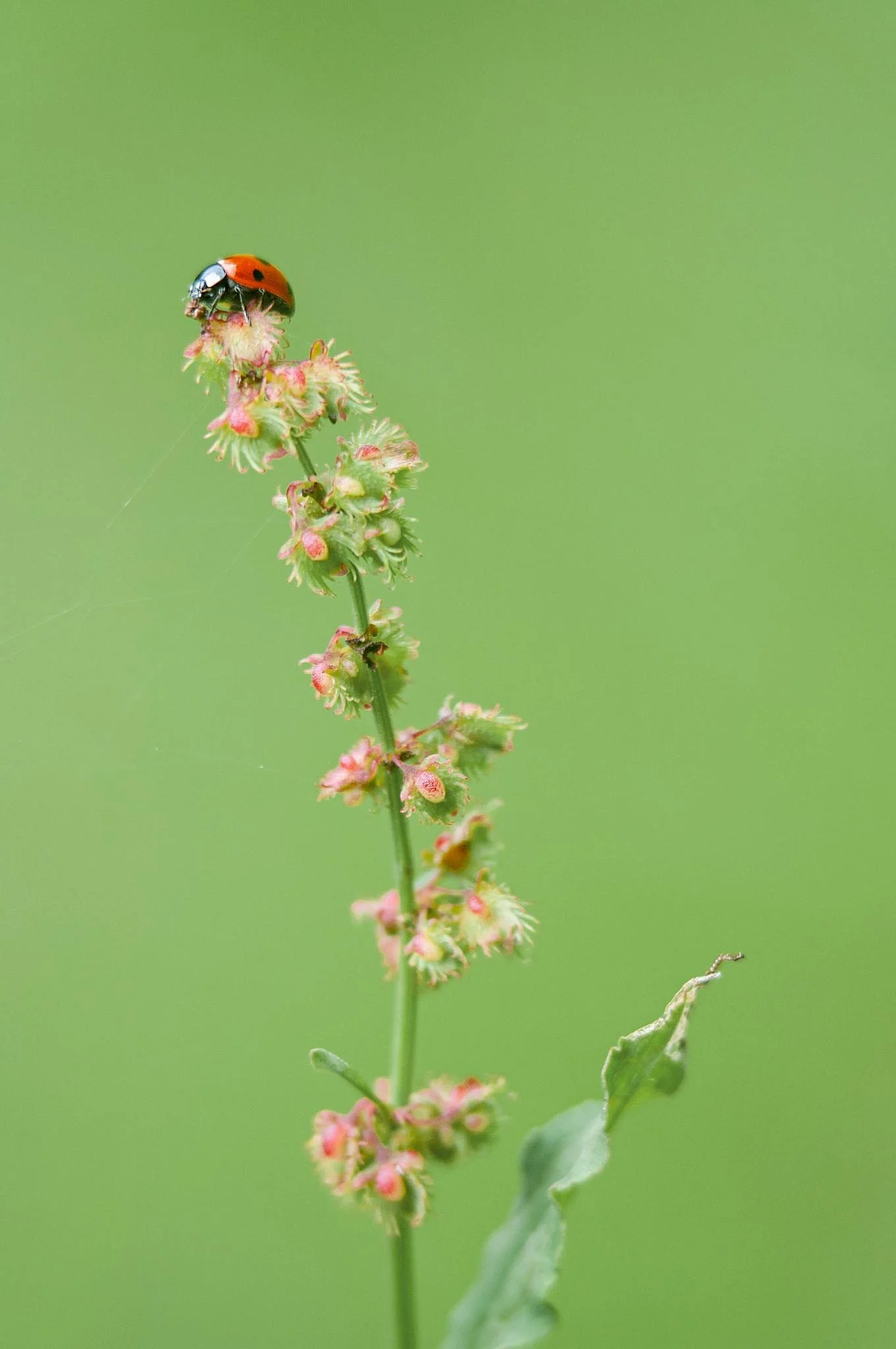
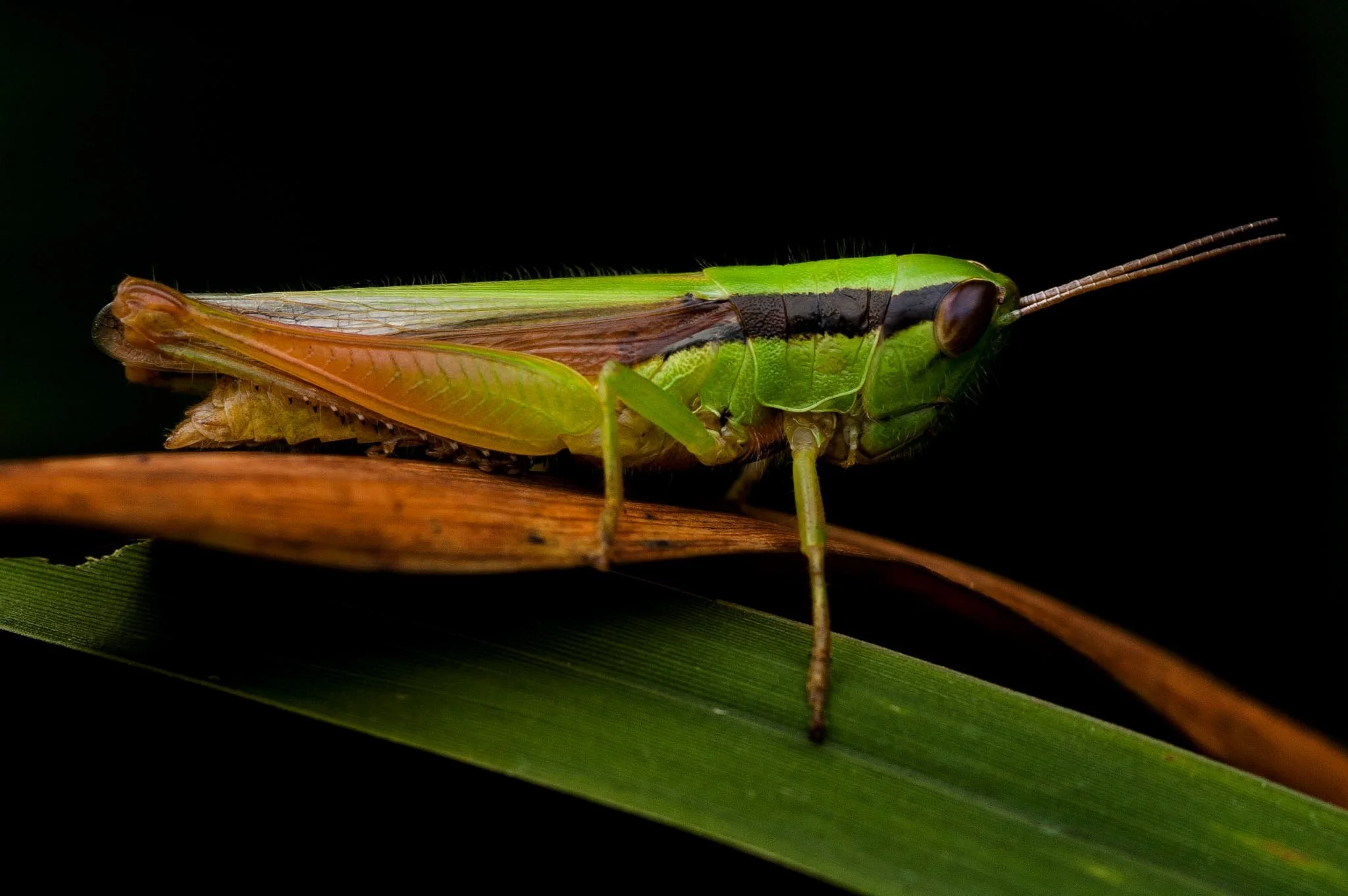
It is a world where a drop of water becomes a lens, a petal turns into a landscape, and the smallest insect carries a presence far larger than its size. What began as a quiet personal exploration slowly evolved into an ongoing body of work I now think of as Nature’s Jewels.
It is one of the simplest ways I return to seeing.
Photographing at this scale demands patience.
The slightest movement can shift focus. A small change in light can alter the entire mood of the frame. Most of the time, I am close to the ground, elbows resting in the grass, waiting for that brief alignment where subject, light, and stillness come together.
Nothing can be forced here.
It either happens, or it doesn’t.
Monsoon brings its own rhythm.
Leeches in the undergrowth, mosquitoes near still water, and insects that seem far more curious about the lens than I am about them. These are not interruptions. They are part of the process.
These moments take me into botanical gardens, national parks, nature reserves, and sometimes into quiet, untouched corners that most people walk past without noticing.
Nature photography is not always comfortable.
But it is always honest.
The locations may change, but the approach remains the same.
Respect the subject.
Wait.
And allow it to reveal itself.
Whether it is the fragile structure of a wildflower, the texture of a butterfly wing, or the layered patterns in a single leaf, these details often go unseen in everyday life.
Macro photography slows everything down just enough to notice.
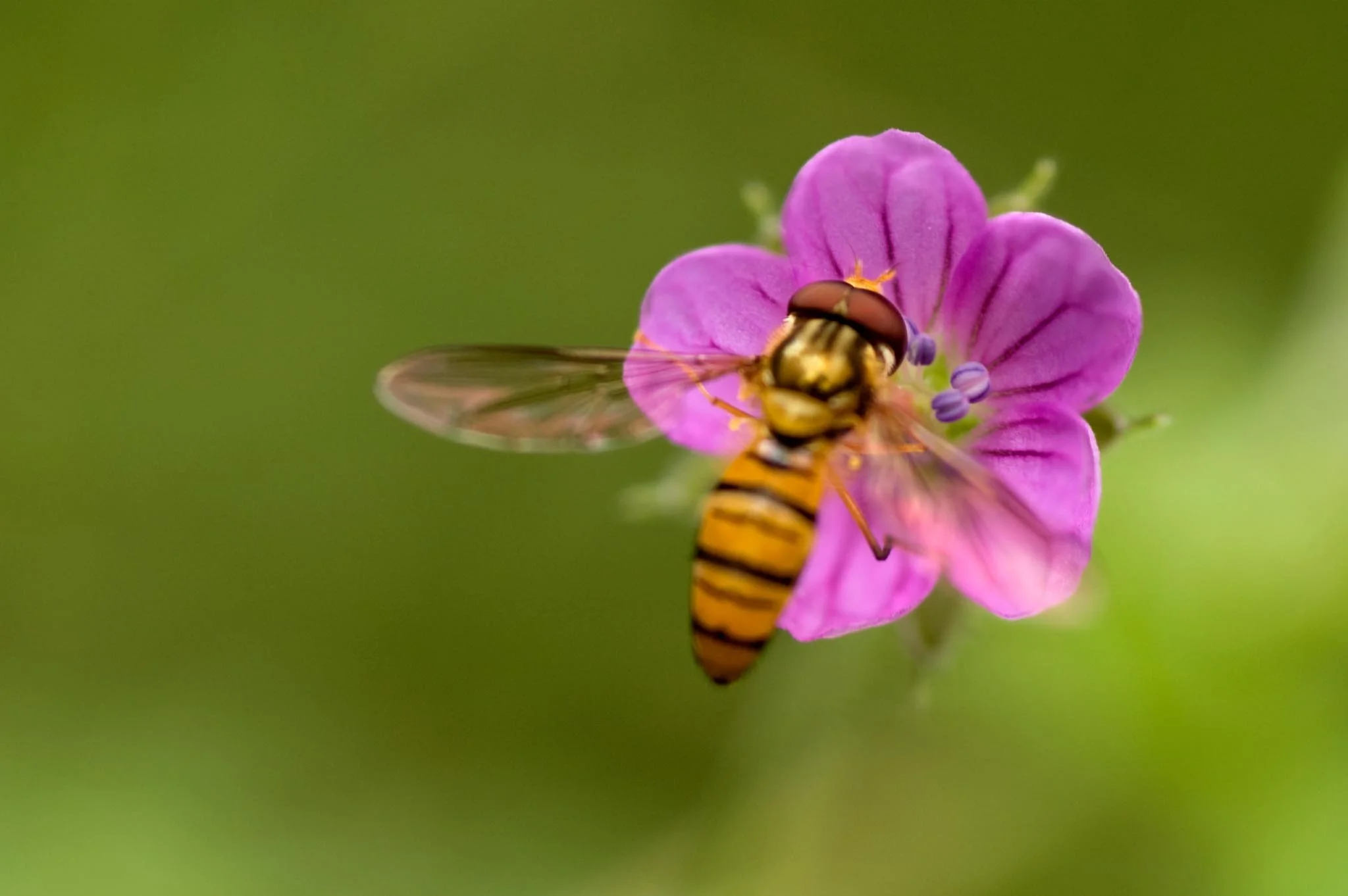
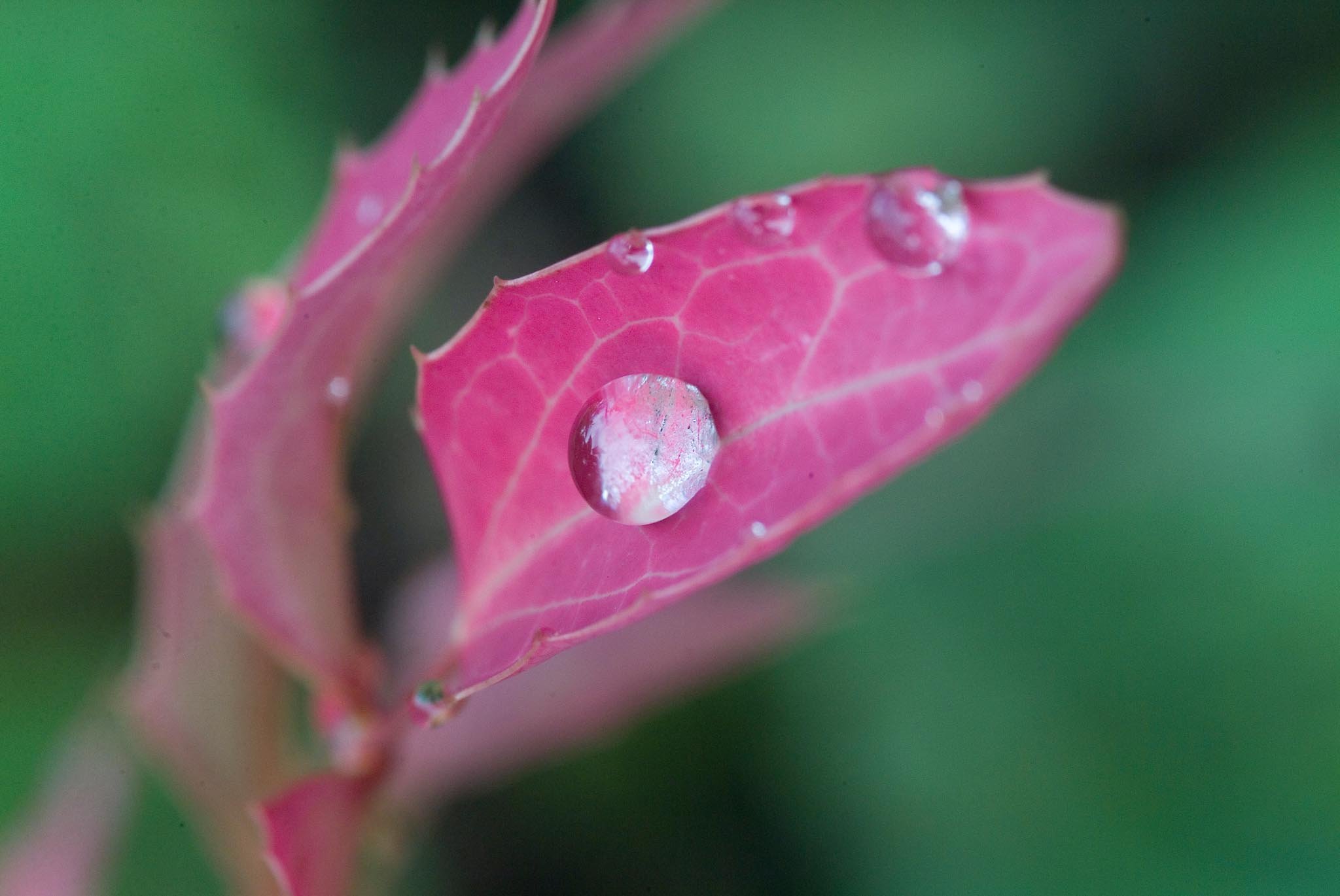
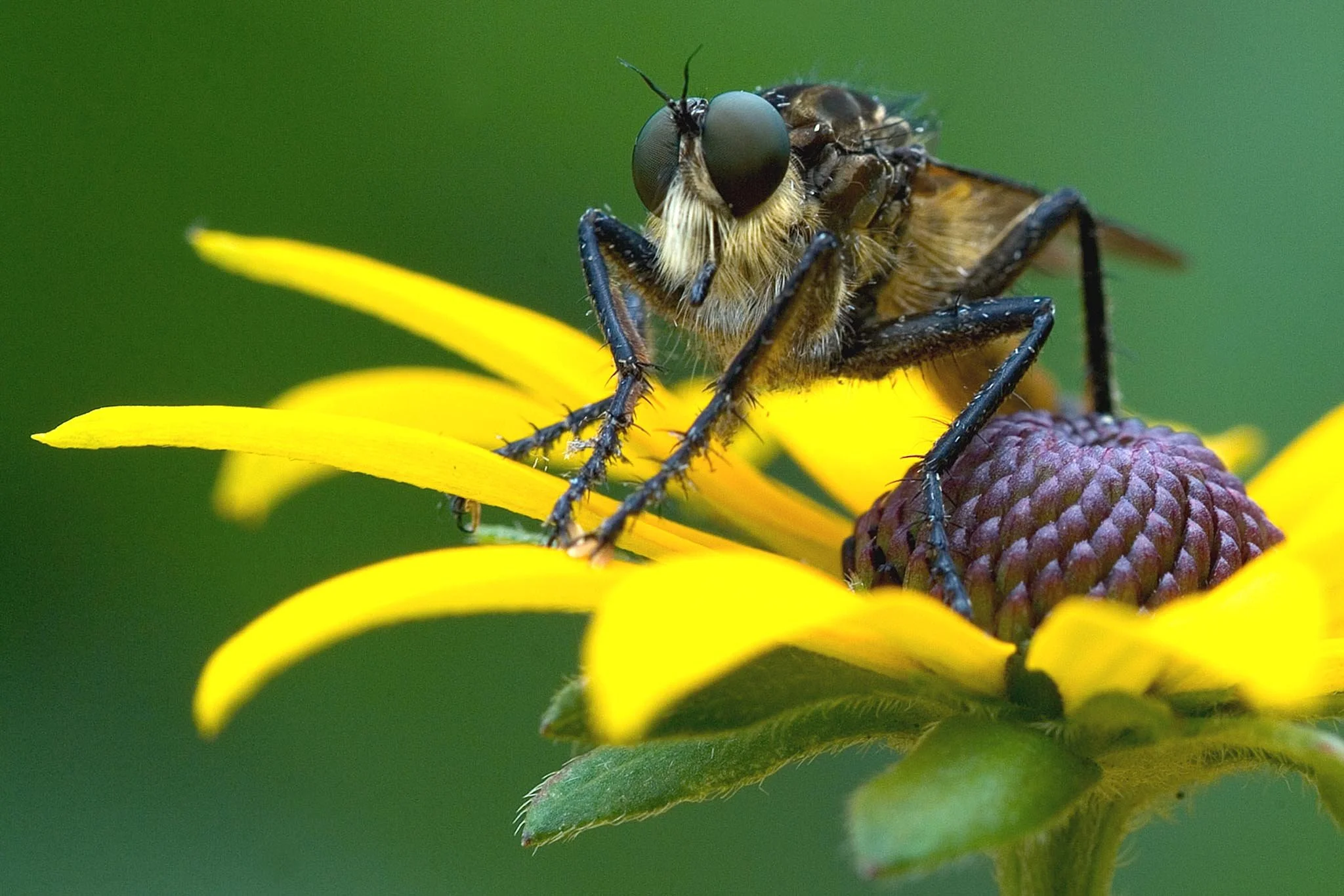
Over time, this way of seeing has influenced everything else I do.
From wildlife work in Africa to aerial photography across the Himalayas, the scale may change, but the intention does not.
It is always about observation.
About understanding what is in front of you before deciding how to frame it.
From the smallest dew covered petal to the vastness of a mountain range, the story is the same.
There is detail everywhere.
You just have to get close enough.
SEEING WHAT IS OFTEN MISSED
Macro work is less about equipment and more about attention.
It teaches you to slow down.
To notice patterns, textures, and forms that are easy to overlook.
And once you begin to see at that level, it becomes difficult to ignore it in other areas of photography.
NATURE PHOTOGRAPHY IN PRACTICE
Working in natural environments, whether at a macro level or across larger landscapes, requires adaptability.
Light shifts quickly. Subjects move. Conditions change.
From botanical gardens to remote natural spaces, the process is always shaped by what is available in that moment.
The photographer responds, rather than controls.
FROM DETAIL TO LANDSCAPE
The transition between macro photography and large scale work is more connected than it appears.
Projects like Wild Africa and aerial work in the Himalayas are built on the same foundation.
Observation. Patience. Respect for the subject.
Only the scale changes.
START YOUR PROJECT
If you are looking to document nature, whether at a micro level or across wider landscapes, the process begins with understanding how you want that story to be seen.
From macro photography and wildlife work to environmental storytelling and landscape projects, each assignment is approached with attention to detail and clarity of intent.
Get in touch to begin your project send email to mail@GautamDhimal.com
QUESTIONS THAT OFTEN COME UP
What is macro photography
It is a form of photography that focuses on capturing very small subjects at close range, revealing details that are not visible to the naked eye.
Do you conduct macro photography workshops or field sessions
Yes. Workshops and guided experiences can be arranged based on location, season, and level of experience.
Where can macro photography be done in Nepal
Botanical gardens, national parks, forest areas, and even urban green spaces offer strong opportunities for macro work.
What equipment is used for macro photography
Specialized lenses are often used, but technique and patience play a much bigger role than equipment alone.
Can macro photography be part of larger projects
Yes. It is often integrated into broader nature, wildlife, and environmental storytelling projects to add depth and detail.