
When Hollywood Came to the Himalayas: My Black Narcissus Story
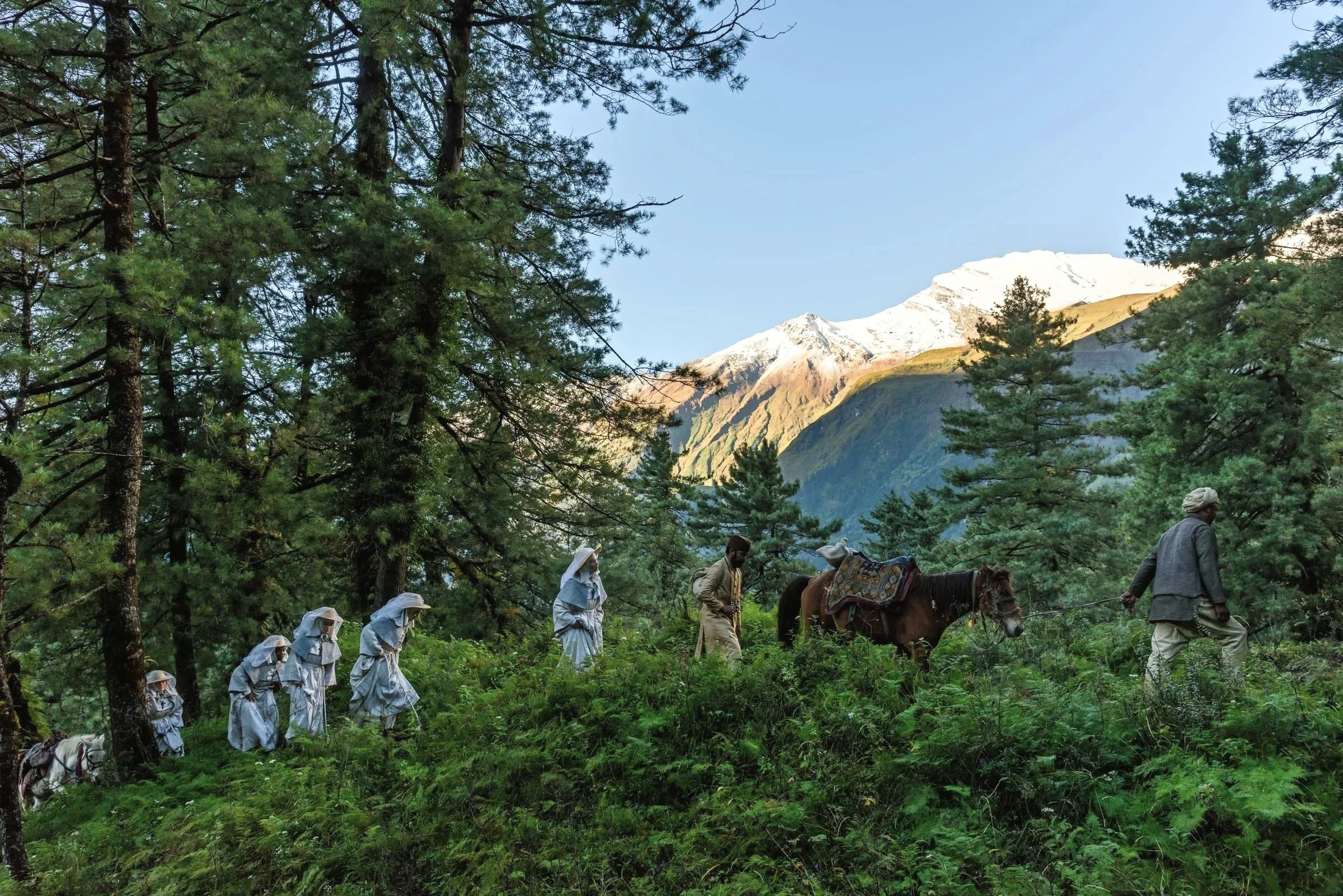
When the call came for Black Narcissus, I knew this was going to be an extraordinary project. This was not just another shoot. It was a Hollywood mini series produced in collaboration between Disney and BBC, based on the novel by Rumer Godden and inspired by the original 1947 film. Part of it was to be filmed in the remote Himalayan region of Nepal, and it needed to be executed with absolute precision from start to finish.
Our team at Location Nepal was responsible for making that happen. Over a period of months, what began as a remote mountain landscape slowly transformed into a fully operational film set. We built entire Himalayan structures from scratch, including Mr. Dean’s house and a fully functional market square. Access itself was a challenge. We constructed rugged trails and carved roads into the mountains to allow safe movement for cast, crew, equipment, and animals to reach a palace location perched high along a cliff. Every detail had to be thought through. Nothing here came easy.
The production brought together a large international crew alongside a strong local team. Equipment arrived in volume, vehicles moved through terrain that does not naturally allow movement, and coordination became the backbone of the entire process. At the same time, visual authenticity could not be compromised. Costumes and props were carefully developed to reflect the early 1900s period, and filming took place within and around real monastery environments. Working alongside monks required sensitivity and respect, and maintaining that balance between production demands and cultural integrity was critical throughout.
Health and safety remained a constant priority. We had paramedics, doctors, and nurses on site, supported by a fully equipped mini hospital and a standby helicopter for emergency evacuation. Working at altitude demands preparation and discipline. There is no room for assumption. The set itself had its own rhythm, with horses, donkeys, and mules transporting equipment through terrain where vehicles could not go. And somewhere within all of it, a white yak quietly became part of the story, a detail that never appears in scripts but defines the reality of filming in the Himalayas.
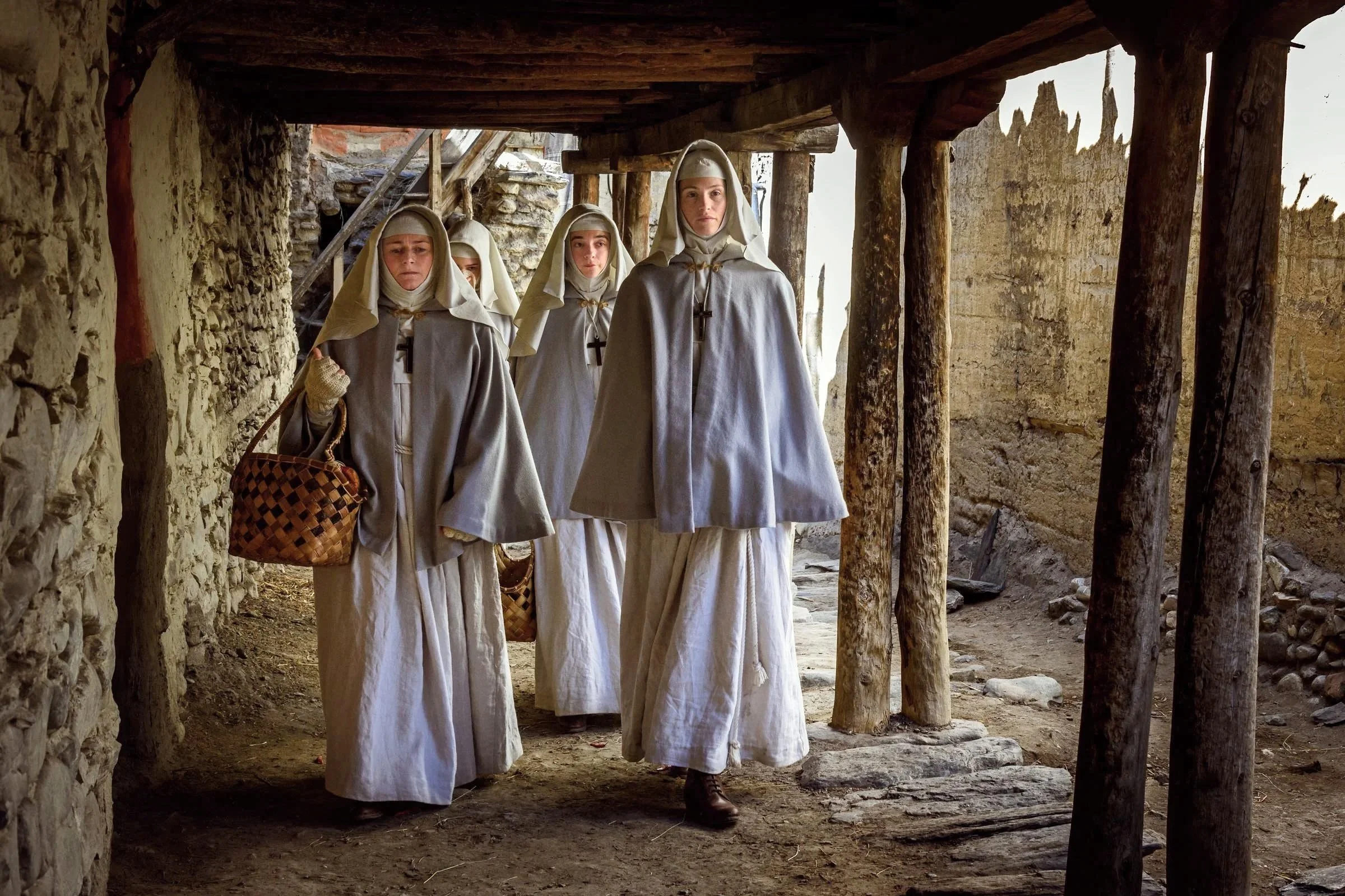
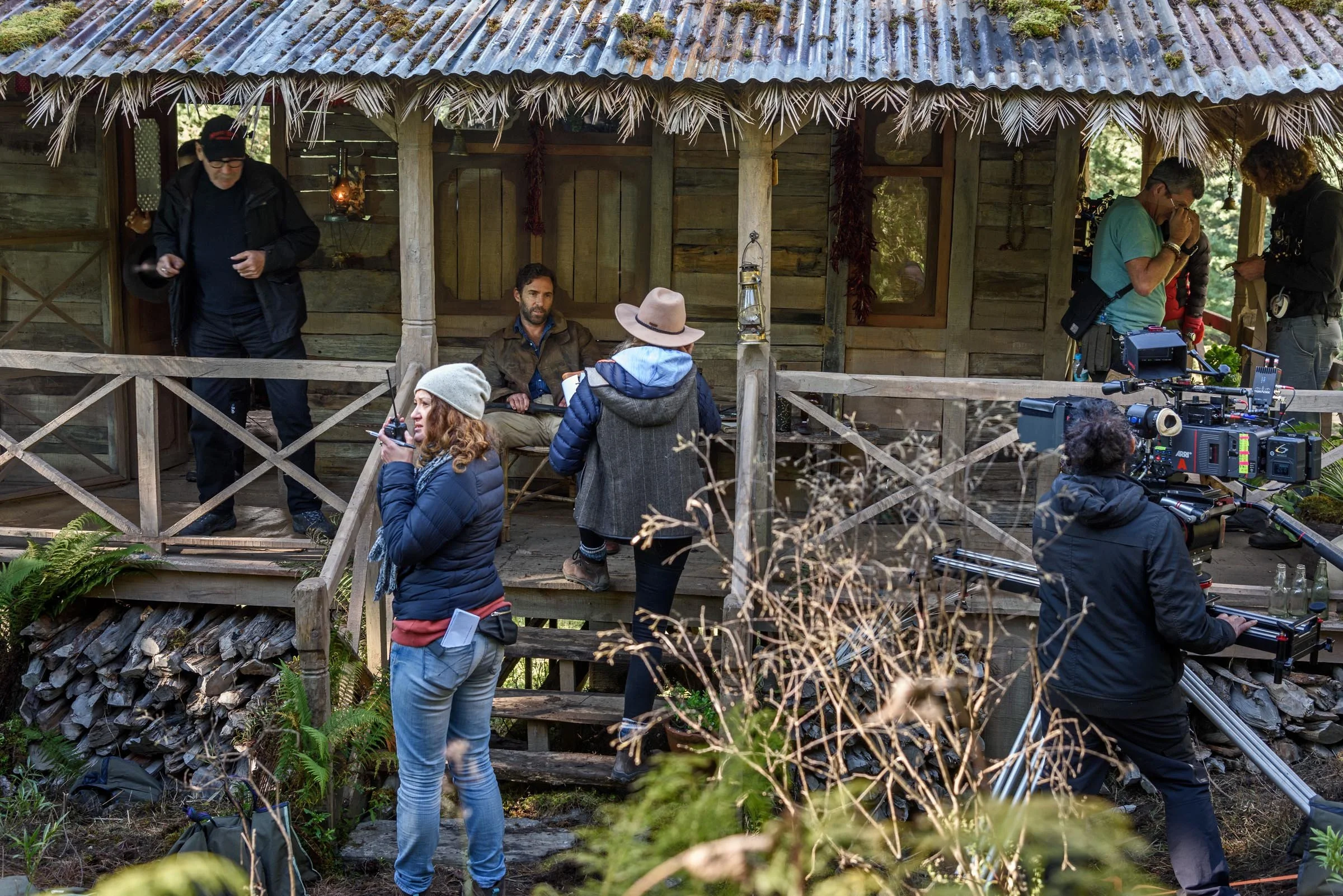
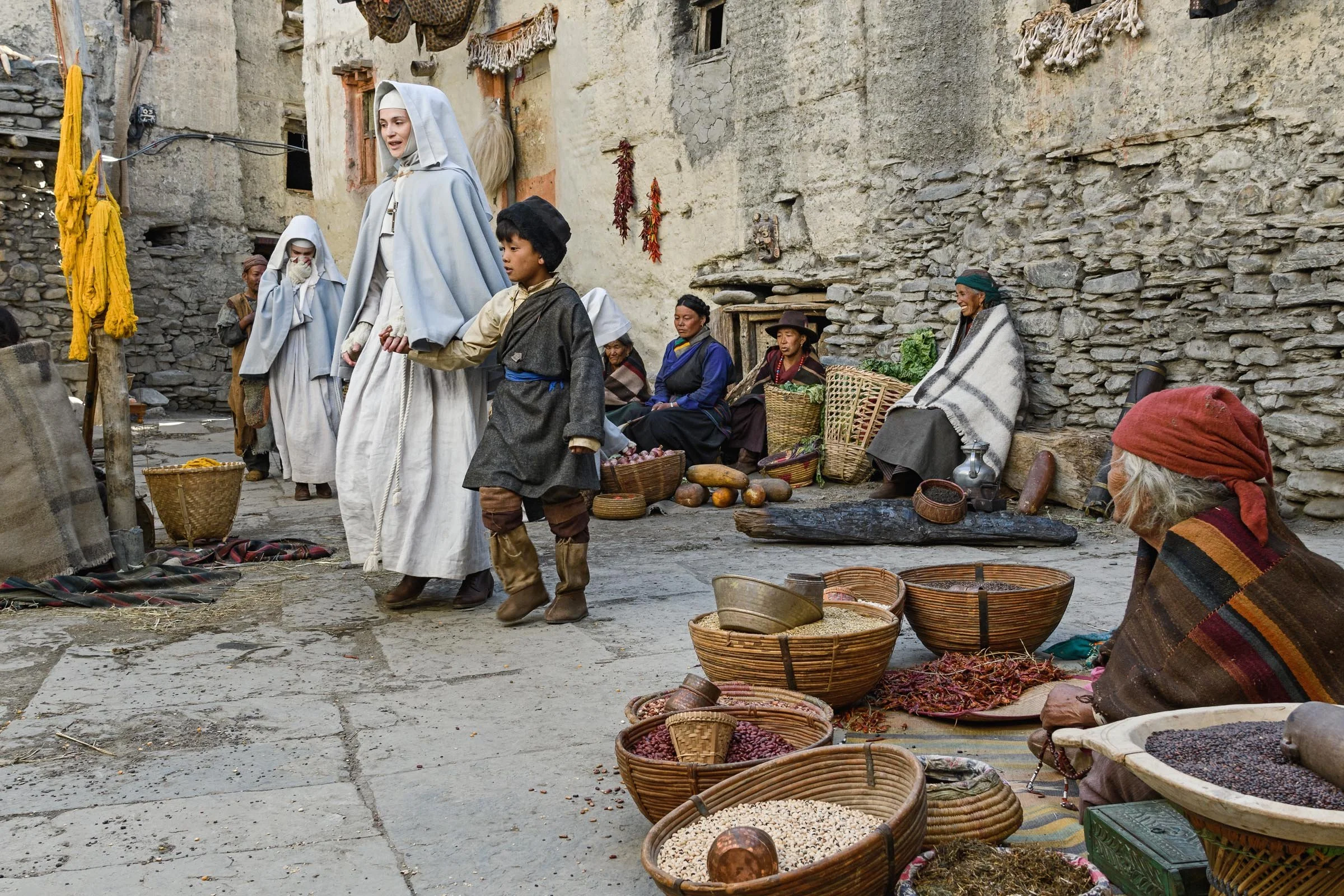

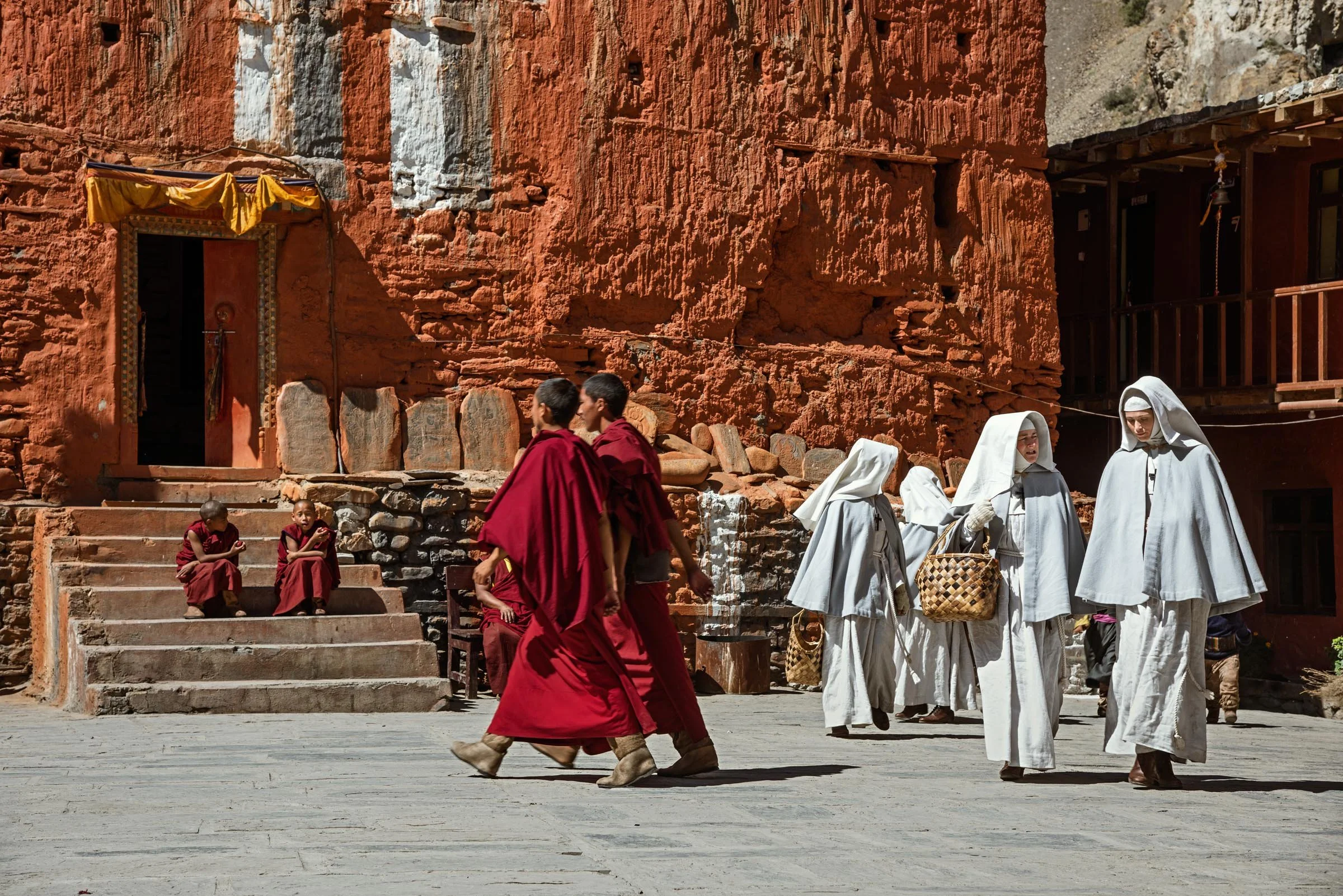
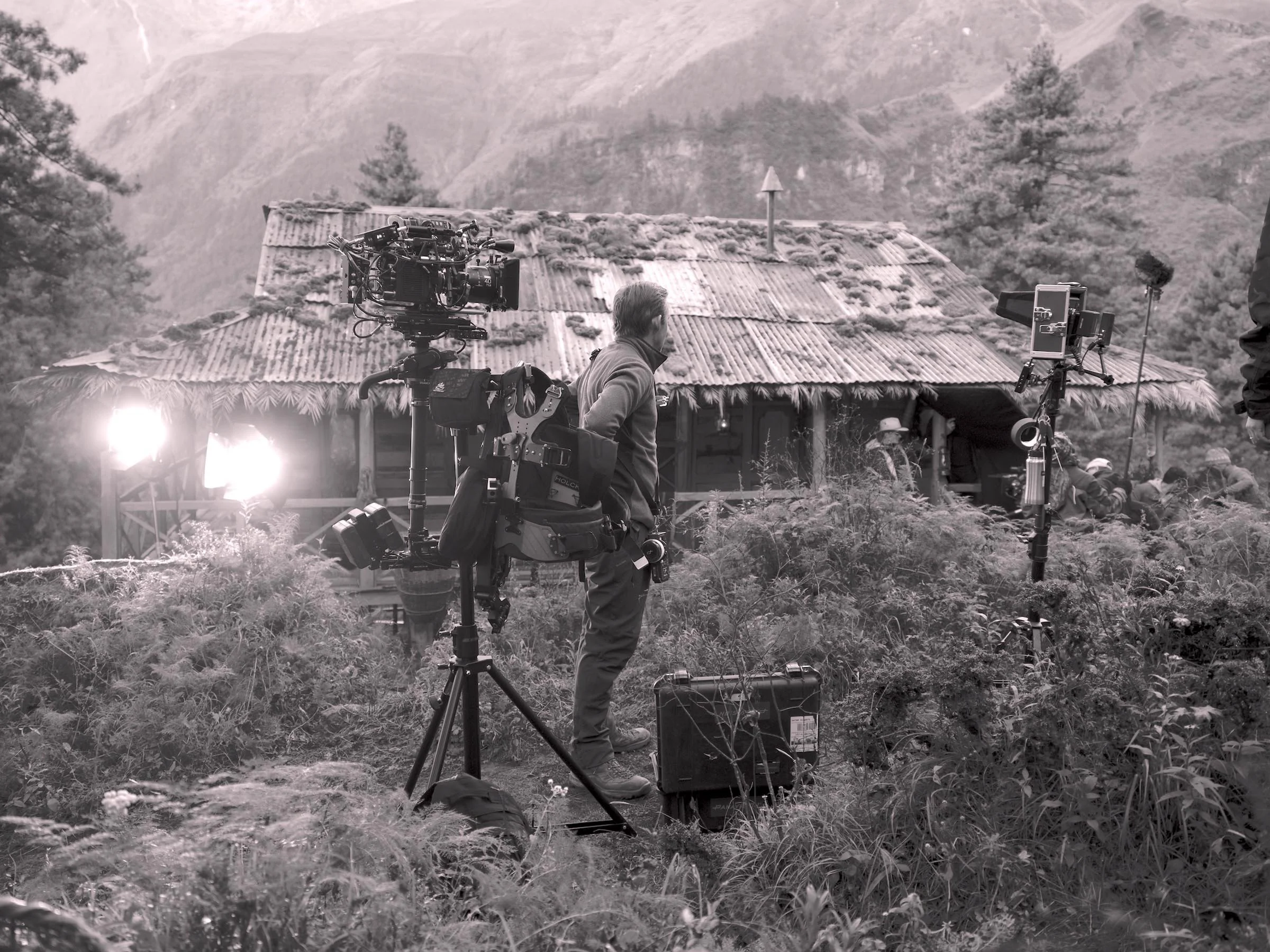
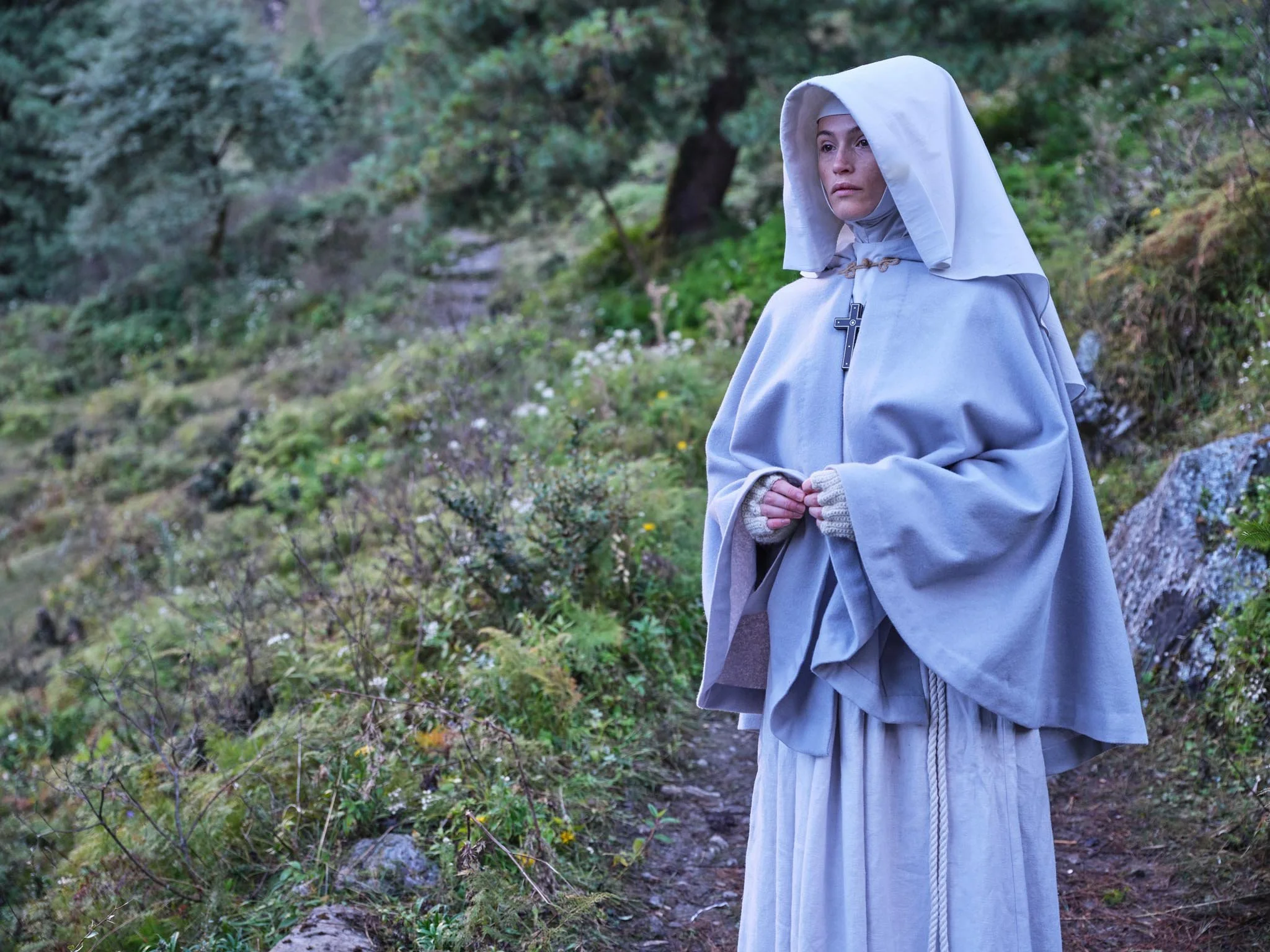
When filming wrapped, the responsibility did not end. Everything we had built was dismantled with the same level of precision. The objective was clear. Leave the landscape exactly as we found it. Respect the environment, respect the location, and ensure that what remained was only the experience. The result was a visually powerful series that carried the spirit of the Himalayas. Black Narcissus (2020) went on to air in the United States on FX and FX on Hulu, and in the United Kingdom on BBC One and BBC iPlayer.
For me, this project stands as a reflection of what is possible in Nepal when planning, experience, and execution come together. Film production here is not just about access to extraordinary locations. It is about understanding how to work within them. From permits and logistics to crew coordination and high altitude safety, every layer plays a role in how a project unfolds. Nepal offers some of the most cinematic landscapes in the world, but it requires the right system on the ground to bring a production to life.
WORKING IN NEPAL AND BEYOND
Projects like this are built on structure as much as creativity. From international films and series to commercials and documentaries, production in Nepal involves navigating permits, managing logistics, coordinating crew, and adapting constantly to changing environments. Remote regions, high altitude conditions, and limited access points require detailed planning and local expertise. When these elements come together, Nepal becomes one of the most rewarding places to film.
PLANNING A SHOOT
If you are considering filming in Nepal, the process often begins with a few key questions. How do you manage permits and permissions across different regions. Who coordinates crew, transport, and equipment in remote areas. What does it take to safely execute a production at altitude. How do you balance creative vision with logistical reality. These are the details that shape the final outcome long before the camera starts rolling.
START YOUR PROJECT
If you are a studio, production company, or creative team planning a film, series, or commercial project in Nepal, it begins with a clear understanding of what needs to be achieved and how it can be executed on the ground. From line production and fixing to full scale production support, projects are built to run efficiently while maintaining the highest standards of execution.
Get in touch to begin your project. Send email to mail@GautamDhimal.com
QUESTIONS THAT OFTEN COME UP
Can international films and series be shot in Nepal
Yes. Nepal regularly hosts international productions including films, series, documentaries, and commercial shoots across a wide range of locations.
Do you need permits to film in Nepal
Yes. Permits are required depending on the location, scale of production, and equipment involved, especially in protected or high altitude regions.
What does a line producer do in Nepal
A line producer manages local execution including permits, logistics, crew coordination, location management, and overall production support.
Is Nepal suitable for large scale productions
Yes. With the right planning and experienced teams, Nepal can support complex and large scale international productions.
How are remote locations managed during filming
Through detailed planning, local coordination, transport systems, safety protocols, and experienced crew who understand the terrain and conditions.